
Plea in SC against new UGC equity regulations, says these 'institutionalise discrimination'
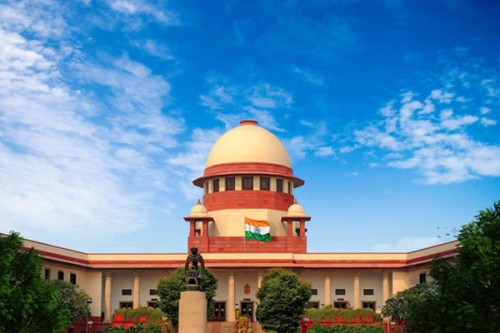
New Delhi, Jan 27 (IANS) A writ petition has been filed before the Supreme Court challenging the University Grants Commission (Promotion of Equity in Higher Education Institutions) Regulations, 2026, alleging that it institutionalises discrimination by denying grievance redressal mechanisms to persons belonging to non-SC/ST/OBC categories.
The petitioner, advocate Vineet Jindal, has sought an appropriate writ, order, or direction restraining the authorities from enforcing Regulation 3(c) “in its present exclusionary form”, contending that it restricts the scope of “caste-based discrimination” only to members of Scheduled Castes, Scheduled Tribes and Other Backward Classes.
According to the plea, such a definition “accords legal recognition of victimhood exclusively to certain reserved categories and categorically excludes persons belonging to general or upper castes from its protective ambit, regardless of the nature, gravity, or context of discrimination suffered by them”.
The petition further seeks a direction to ensure that Equal Opportunity Centres, Equity Helplines, inquiry mechanisms and Ombudsperson proceedings under the 2026 Regulations are made available in a “non-discriminatory and caste-neutral manner”, pending reconsideration or amendment of Regulation 3(c).
The petitioner has argued that denial of access to grievance redressal mechanisms on the basis of caste identity amounts to impermissible State discrimination and violates Articles 14, 15(1) and 21 of the Constitution.
“The impugned provision institutionalises exclusion at the threshold, creates a hierarchy of victimhood, and introduces a constitutionally impermissible bias into a regulatory framework that purports to be neutral and inclusive,” the plea stated.
The petition assailed the underlying assumption of the regulation that caste-based discrimination can operate only in one direction, asserting that such a presumption “forecloses, as a matter of law, the possibility that persons belonging to general or upper castes may also be subjected to caste-based hostility, abuse, intimidation, or institutional prejudice.”
It also contented that the UGC (Promotion of Equity in Higher Education Institutions) Regulations defeat its own stated objective under Regulation 2, which seeks to eradicate discrimination on multiple grounds, including caste, “particularly against” specified disadvantaged groups, but not exclusively limited to them.
The plea said that by restricting caste-based discrimination to certain categories, the regulations “perversely legitimise ‘reverse discrimination’ while failing to promote the ‘full equity and inclusion’ envisaged in the National Education Policy, 2020”.
The plea also flagged a chilling effect on free academic discourse, asserting that in the absence of neutral safeguards, allegations of caste discrimination may be weaponised, while genuine grievances of others remain unheard, leading to fear, reputational harm and self-censorship among students and faculty. The plea has ultimately prayed for Regulation 3(c) of the 2026 Regulations to be struck down as unconstitutional.

|

|